Autumn Arable Outlook 2025: What UK Farmers Can Expect in Q4
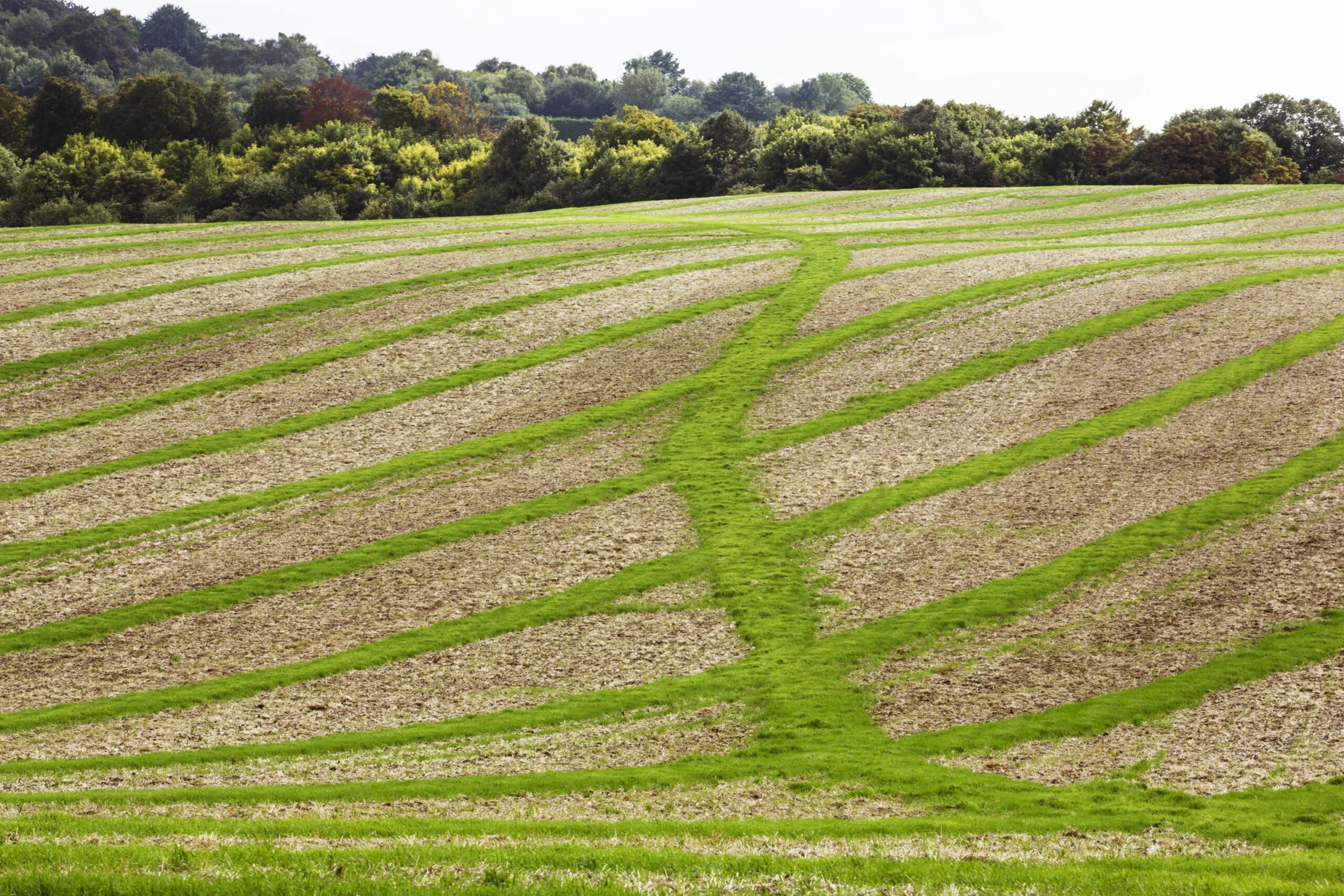
As the UK arable farming calendar moves into its final quarter, farmers across the country are preparing for both opportunity and uncertainty.
While harvest season 2025 brings optimism with strong yields in some areas, others are facing delays due to unseasonably wet weather, especially in the southern regions.
With shifting grain prices, evolving input costs, and increasing pressure to improve land efficiency, Q4 is set to be a decisive time for agricultural businesses.
Harvest Progress Varies by Region
Across the Midlands and Northern England, winter barley and oilseed rape have generally been harvested without major issues. However, many Southern England counties—particularly parts of Somerset, Wiltshire, and Kent—have faced significant delays due to prolonged rainfall in July.
“We’ve seen patchy harvest progress this year. While yields are promising in drier regions, delayed combining in the south has put pressure on land preparation for winter cereals,” says Claire Fenton, independent agronomist based in Oxfordshire.
Grain Market Fluctuations Continue
The global grain market remains volatile due to ongoing geopolitical tensions, shifting export policies, and climate concerns abroad. This has kept UK wheat and barley prices on a rollercoaster, making strategic selling more important than ever.
Feed wheat currently averages £192/tonne (August 2025)
Milling wheat holding steady at £223/tonne
Barley sits around £167/tonne but varies greatly by quality and region
Many UK arable producers are holding off on bulk sales, hoping for a stronger rally in early autumn. But with input costs such as fuel and fertiliser stabilising slightly, cash flow may still improve before year-end.
Post-Harvest Efficiency and Field Planning
With short windows to prepare land for winter cropping, efficiency is key. Farmers are advised to:
Assess soil health immediately post-harvest
Address compaction and drainage following wet harvest conditions
Finalise winter wheat and barley seed plans early due to rising demand
Prioritise cover crops to improve organic matter and reduce erosion
Additionally, many farmers are now incorporating precision agriculture technology to improve both yield tracking and input planning, especially in regions affected by delayed drilling windows.
Weather Watch: August to October Forecast
The Met Office predicts continued unsettled conditions through early August, with a chance of a dry spell mid-month. September is expected to bring cooler, drier weather—potentially opening a much-needed window for winter cereal drilling.
Marketing & Advertising Opportunity
As market uncertainty persists, advertising directly to farmers and suppliers remains critical. IMEL offers tailored advertising campaigns in over 100 livestock markets and arable hubs across the UK. Whether you’re promoting seed varieties, agronomy services, or agricultural machinery, visibility in Q4 could drive meaningful leads ahead of the 2026 season.
Key Takeaways for UK Arable Farmers in Q4
Harvest progress is behind schedule in the south—timing is critical.
Grain prices remain volatile—sell strategically and monitor markets.
Soil preparation and crop planning must be efficient post-harvest.
Technology and marketing will be vital tools to maximise value in 2025.
Ready to showcase your business where it counts?
Let us get your brand front and centre at the UK’s busiest livestock marts.