DEFRA Announces New Sustainable Farming Incentives for 2026
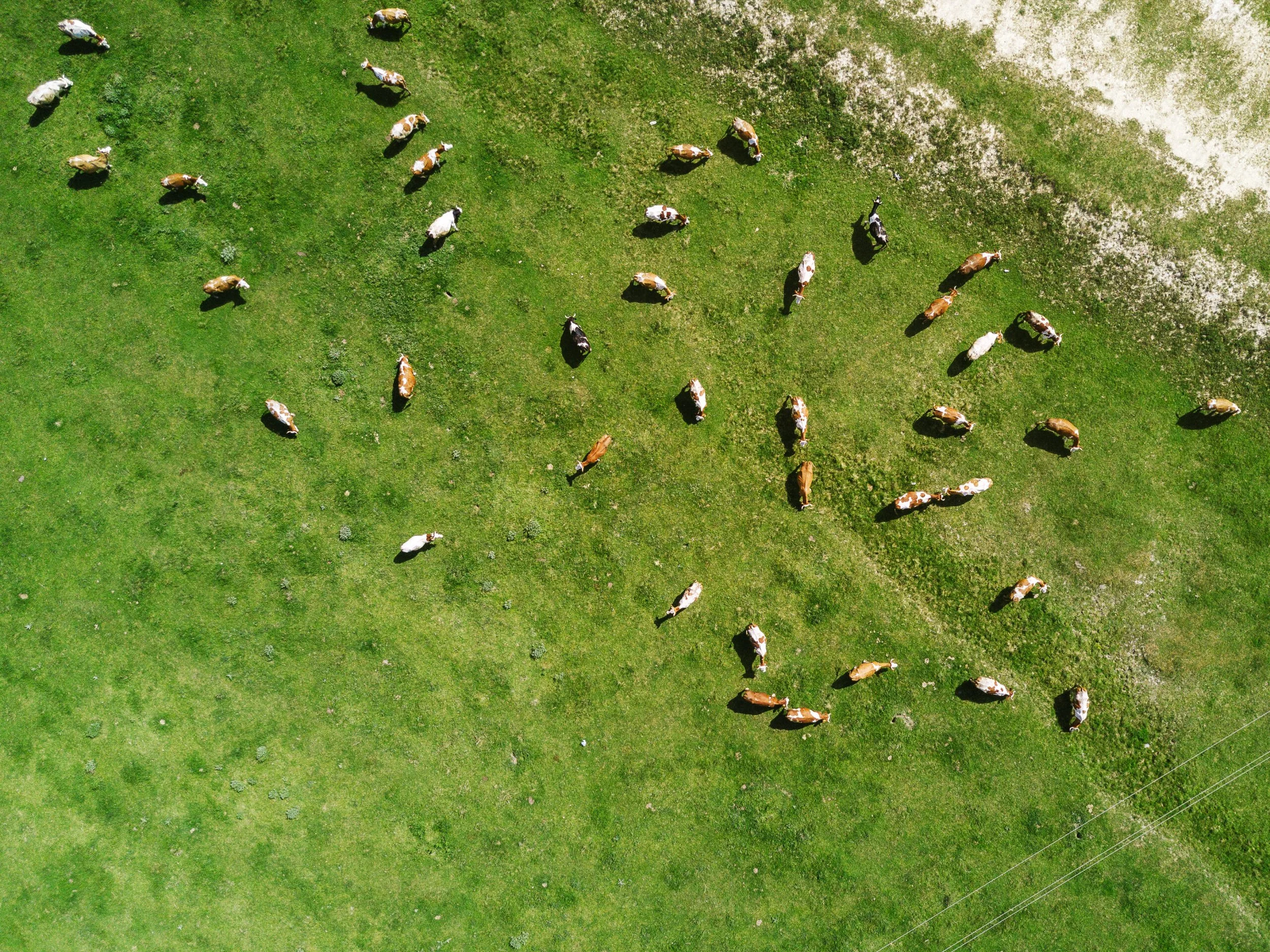
Helping Farmers Build a Greener, More Profitable Future
The Department for Environment, Food and Rural Affairs (DEFRA) has officially announced the next phase of its Environmental Land Management Scheme (ELMS), which will be rolled out across England in early 2026. The latest update focuses on enhanced Sustainable Farming Incentives (SFI) to reward farmers for adopting environmentally friendly practices—without sacrificing productivity or profitability.
With more funding options, simplified applications, and a broader list of eligible actions, these new incentives could offer a major boost for UK farmers looking to future-proof their land and diversify their income.
What’s New in the 2026 SFI Scheme?
The new SFI 2026 framework builds on previous schemes and incorporates direct feedback from farmers, advisors, and environmental groups. Key changes include:
Expanded list of eligible actions, including cover cropping, low-input grassland, and agroforestry
More flexible agreements—choose between short- or long-term commitments
Increased payment rates for core options like soil health, nutrient planning, and habitat creation
New options for tenant farmers and common land users
Stackable payments for farms already in Countryside Stewardship or other environmental schemes
“We’ve designed the next phase of SFI to be more accessible and more rewarding. These changes reflect how farmers actually work on the ground,”
Thérèse Coffey, Secretary of State for Environment, Food and Rural Affairs.
What Are the Payment Rates?
DEFRA has released updated payment rates for several key actions. While these will vary depending on farm type and size, early examples include:
£129 per hectare for multi-species cover cropping
£45 per hectare for herbal leys
£103 per hectare for buffer strips next to watercourses
£59 per hectare for low-input cereal cropping
These incentives are designed to offset upfront costs and reward long-term sustainability practices, while ensuring practical farming remains profitable.
How to Prepare Your Application
The full rollout of the scheme is expected from January 2026, but DEFRA encourages farmers to start preparing now. Here’s how to get ready:
Review current soil health records and management plans
Consider existing or potential environmental features on your land (e.g., hedgerows, grass margins, ponds)
Contact your local Catchment Sensitive Farming Officer for advice on scheme compatibility
Explore stacking options with Countryside Stewardship or Landscape Recovery schemes
Supporting UK Agriculture and the Environment
These new farming incentives align with the UK Government’s commitment to achieving net-zero emissions by 2050, supporting biodiversity, and enhancing food security. But just as importantly, they provide an opportunity for UK farmers to earn income while making low-risk, regenerative changes to their land.
“The Sustainable Farming Incentive offers farmers the chance to be part of a movement that supports the environment and strengthens rural resilience,”
said a spokesperson from the National Farmers’ Union (NFU).
Don’t Miss Out: Get Ready Now
While the application window won’t open until early 2026, DEFRA has confirmed a limited capacity in the first year to allow for a controlled rollout. Farmers are encouraged to register early interest and begin groundwork now.
And for agricultural suppliers, agronomists, or service providers—this is a prime opportunity to advertise to forward-thinking farmers looking to adopt sustainable methods. IMEL offers tailored advertising placements in livestock markets and agricultural regions across the UK. Put your brand in front of the right audience at the right time.
Ready to showcase your business where it counts?
Let us get your brand front and centre at the UK’s busiest livestock marts.